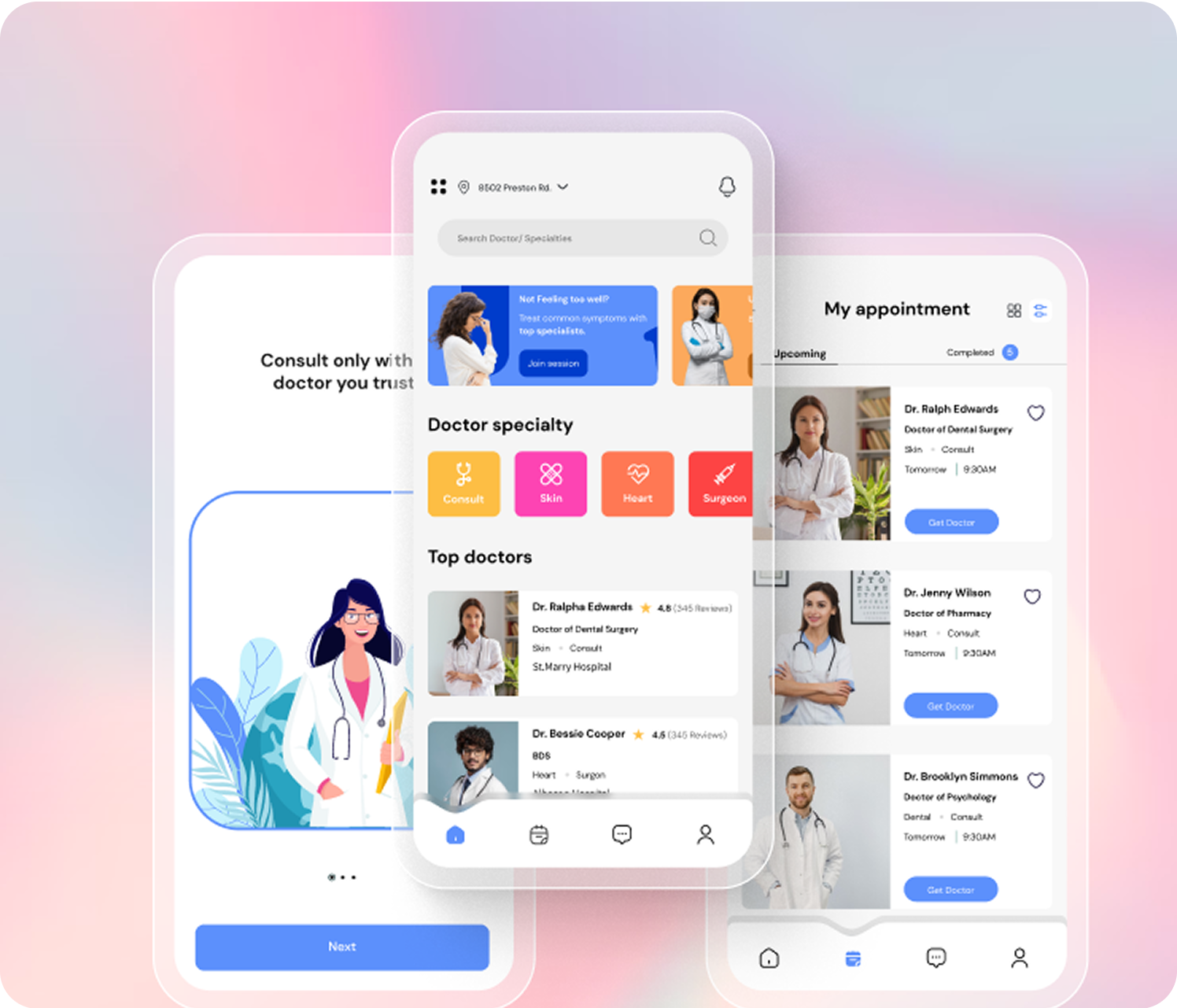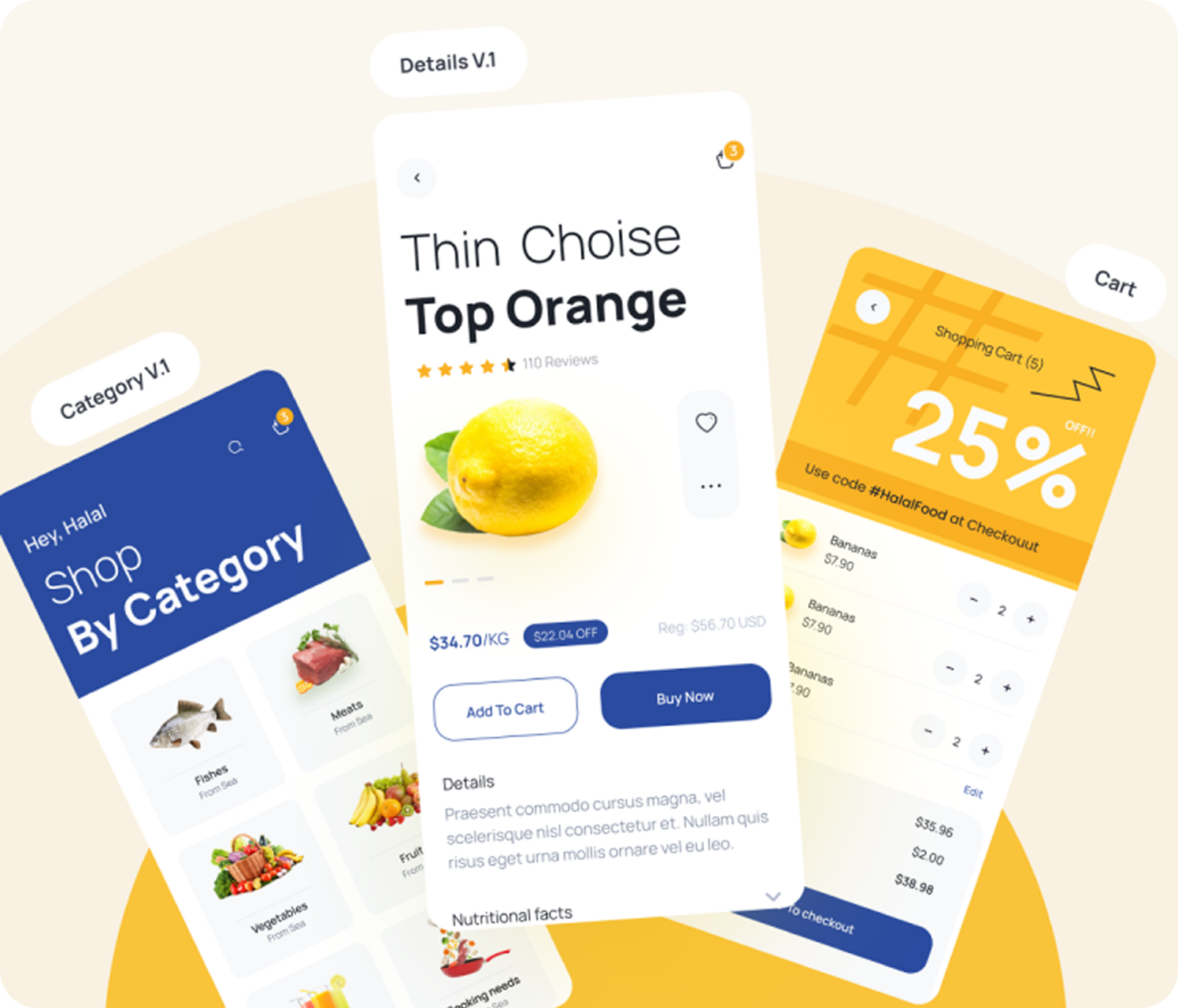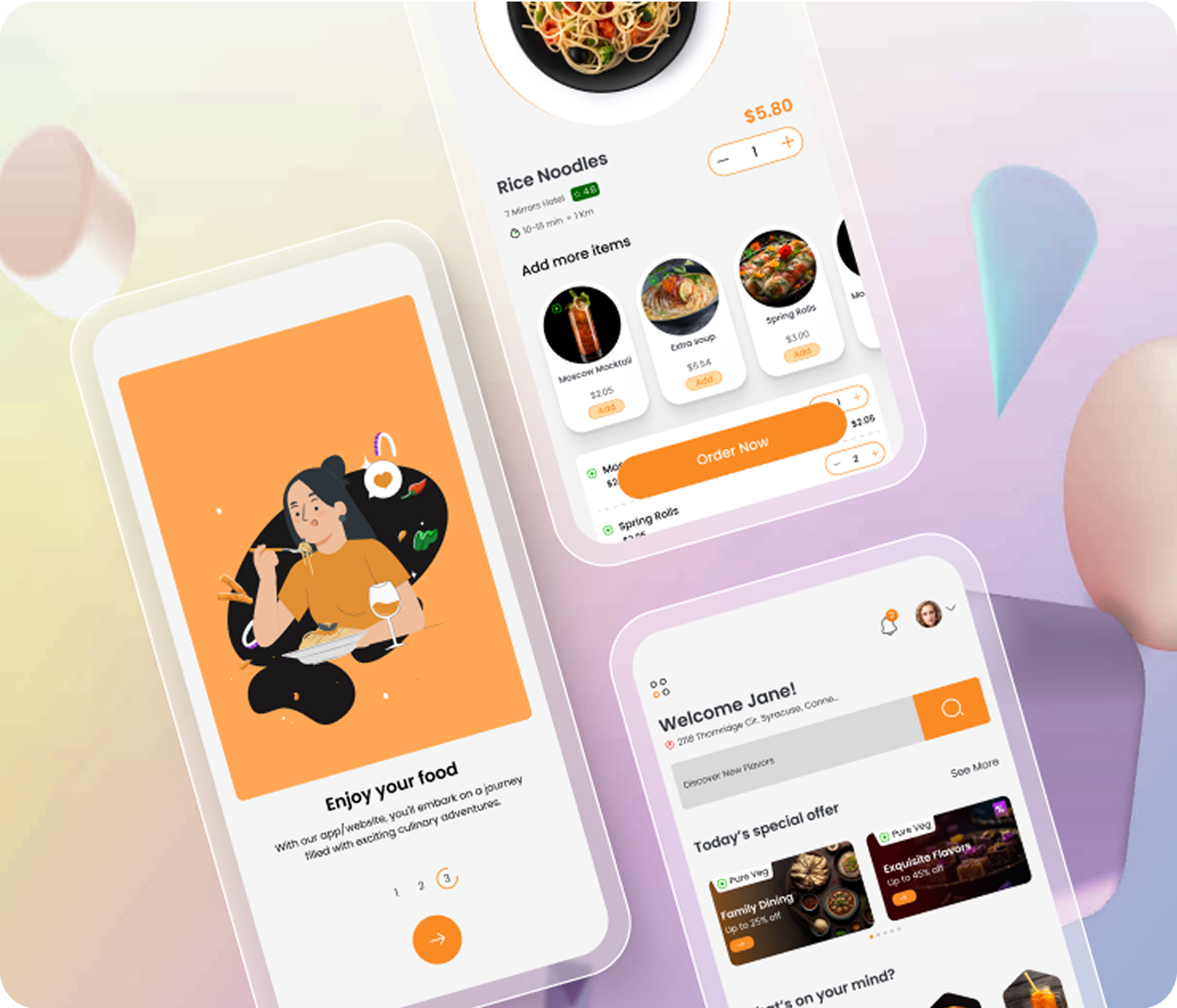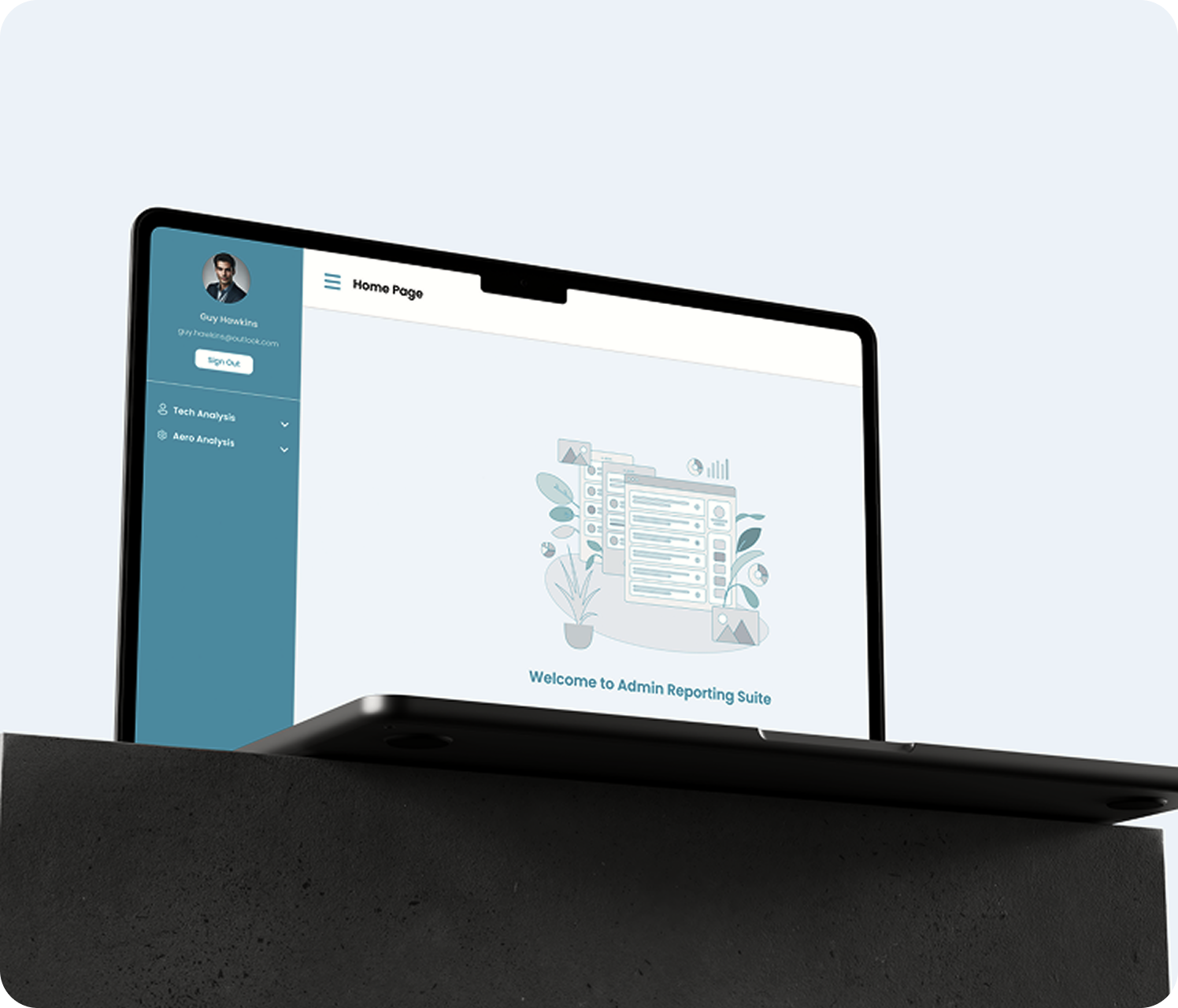














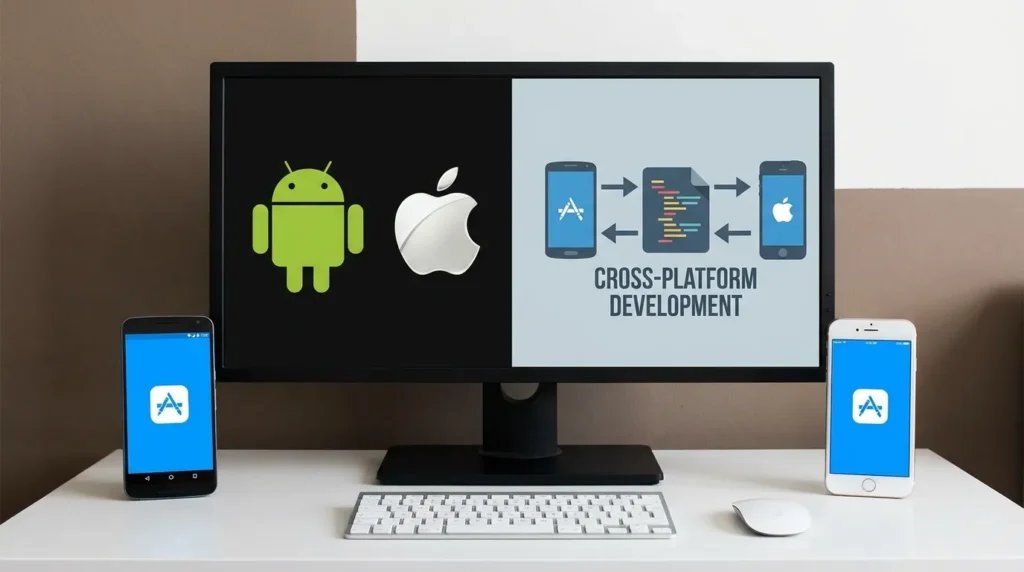
What Kernshell Builds: Cross-Platform App Development Services for Enterprise

Transform enterprise mobility and digital engagement with cross-platform applications engineered for scalability, performance, and accelerated delivery.

Our Cross-Platform App Development Capabilities Include:

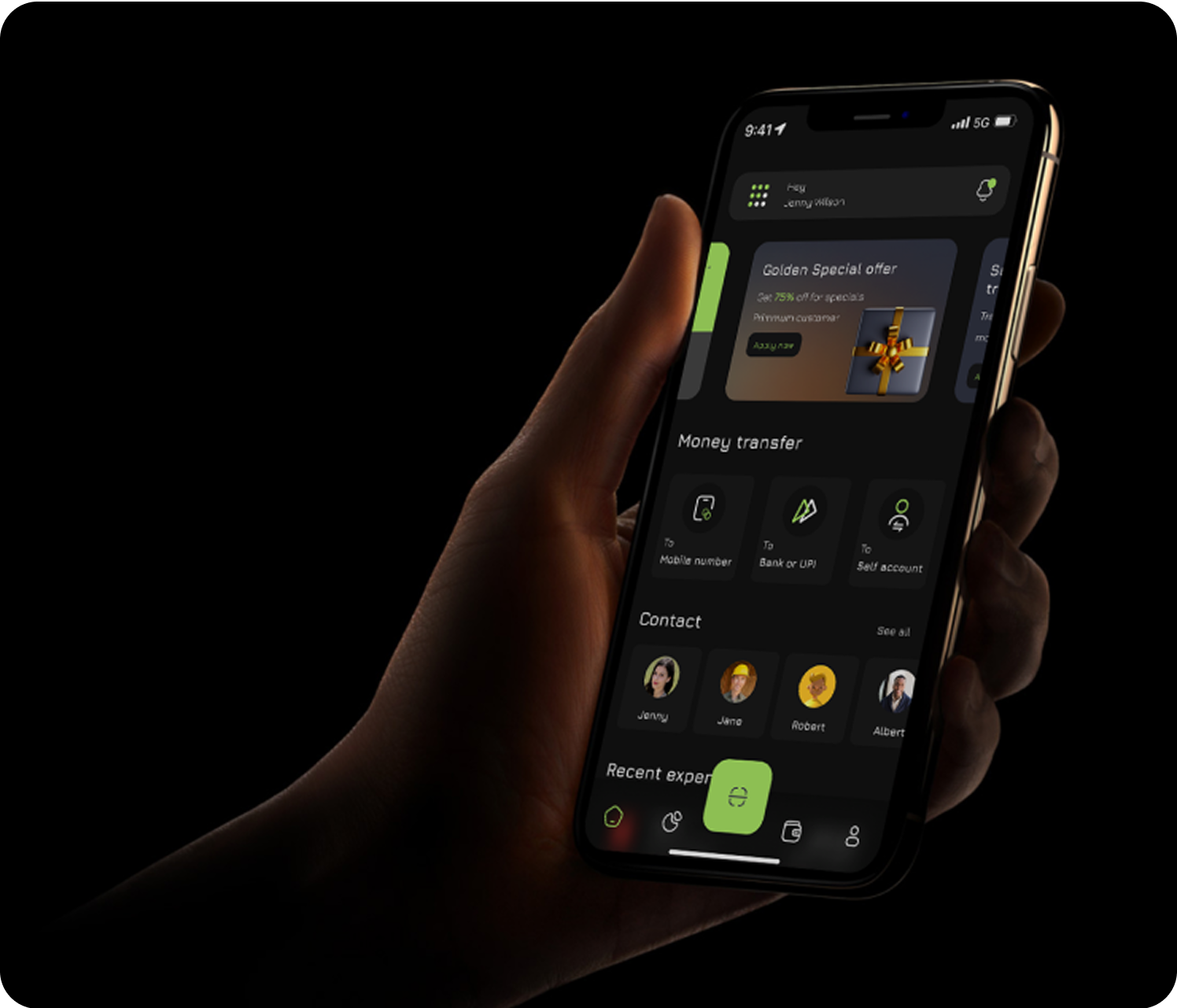
  • Cross-Platform Mobile App Development for Android, iOS, and enterprise mobility environments
  • Flutter & React Native Development accelerating scalable and cost-efficient app delivery
  • Enterprise Mobility Solutions improving workforce productivity and customer engagement
  • API & Cloud Integration connecting applications with enterprise systems and operational data
  • Offline-First & Real-Time App Architecture improving reliability and performance across environments
  • Mobile Security, DevSecOps & Governance ensuring secure, compliant, and scalable application operations

From strategy and UX design to deployment and optimization, Kernshell helps enterprises operationalize cross-platform applications that improve agility, digital scalability, and enterprise-wide mobile transformation outcomes.

End-to-End Cross Platform App Development Services We Deliver

Flutter App Development

End-to-end Flutter application engineering – Dart codebase architecture, custom widget development, platform-adaptive layouts, animation engineering, and Riverpod or Bloc state management – delivering native-parity apps across iOS, Android, and web from a single codebase.

React Native Development

Enterprise React Native applications with native module integration, OTA update capability via Expo EAS, deep linking architecture, and seamless integration with your existing JavaScript and TypeScript web engineering teams and CI/CD pipelines.

.NET MAUI & Xamarin

Microsoft-stack cross platform development for enterprises standardised on the .NET ecosystem – .NET MAUI applications sharing business logic across iOS, Android, Windows, and macOS with full Azure, Microsoft 365, and Intune MDM integration.

Progressive Web Apps

High-performance PWA development for enterprise use cases where platform distribution constraints, device management policies, or content delivery requirements make browser-based progressive applications the optimal cross platform deployment strategy.

UX Design & Design Systems

Cross platform UX strategy, information architecture, wireframing, and enterprise design system creation – platform-adaptive component libraries in Figma, delivered as production-ready Flutter widgets or React Native components for engineering teams.

API & Systems Integration

Secure mobile API architecture, REST and GraphQL integration, offline-first data synchronisation, push notification infrastructure, and deep integration with ERP, CRM, ITSM, and identity providers – connecting your mobile application to the enterprise data ecosystem.

Mobile Security & Compliance

OWASP Mobile Top 10 compliance, certificate pinning, biometric authentication, encrypted local storage, MDM and MAM integration, and regulatory compliance configuration – HIPAA, GDPR, FCA, and ISO 27001 built into application architecture from the outset.

Performance Engineering & QA

Automated UI testing with Maestro and Appium, performance profiling, battery and memory optimisation, device matrix testing across 50+ device and OS combinations, and accessibility validation to WCAG 2.1 AA before every production release.

Managed Support & Evolution

Post-launch application monitoring, crash analytics triage, OS compatibility management across iOS and Android major releases, App Store and Play Store governance, and feature roadmap delivery – sustained as a long-term engineering partnership.

Our Core Cross Platform App Development Technology Stack

Frameworks, tooling, and integration technologies selected based on your platform requirements, team ecosystem, and enterprise architecture – not agency tooling preferences or framework partnerships.

  • All
  • Languages
  • Gen AI platforms
  • Frameworks
  • Debugging & Tracing
  • Vector Databases
  • DBMS
  • Data Visualization

Languages

C#

C#

Rust

Rust

Python

Python

JavaScript

JavaScript

Java

Java

R

R

Gen AI platforms

LangChain

LangChain

Hugging Face

Hugging Face

Apache Spark

Apache Spark

Gemini

Gemini

Phi

Phi

Frameworks

LangChain

LangChain

LlamaIndex

LlamaIndex

PyTorch

PyTorch

Kedro

Kedro

TensorFlow

TensorFlow

Keras

Keras

Debugging & Tracing

Langsmith

Langsmith

Langfuse

Langfuse

Vector Databases

PostgreSQL

PostgreSQL

Chroma

Chroma

Milvus

Milvus

Qdrant

Qdrant

Pinecone

Pinecone

DBMS

PostgreSQL

PostgreSQL

MySQL

MySQL

MongoDB

MongoDB

CouchDB

CouchDB

Cassandra

Cassandra

Neo4j

Neo4j

Data Visualization

Power BI

Power BI

Tableau

Tableau

Languages

C#

C#

Rust

Rust

Python

Python

JavaScript

JavaScript

Java

Java

R

R

Gen AI platforms

LangChain

LangChain

Hugging Face

Hugging Face

Apache Spark

Apache Spark

Gemini

Gemini

Phi

Phi

Frameworks

LangChain

LangChain

LlamaIndex

LlamaIndex

PyTorch

PyTorch

Kedro

Kedro

TensorFlow

TensorFlow

Keras

Keras

Debugging & Tracing

Langsmith

Langsmith

Langfuse

Langfuse

Vector Databases

PostgreSQL

PostgreSQL

Chroma

Chroma

Milvus

Milvus

Qdrant

Qdrant

Pinecone

Pinecone

DBMS

PostgreSQL

PostgreSQL

MySQL

MySQL

MongoDB

MongoDB

CouchDB

CouchDB

Cassandra

Cassandra

Neo4j

Neo4j

Data Visualization

Power BI

Power BI

Tableau

Tableau

Ready to Build Your Enterprise Cross Platform App?

Image
Image

Where Cross Platform App Development Delivers Enterprise-Grade Impact

Cross Platform App Solutions We Design, Build & Govern

Proven solution patterns – purpose-engineered for enterprise operational complexity, integration architecture, and regulated deployment environments.

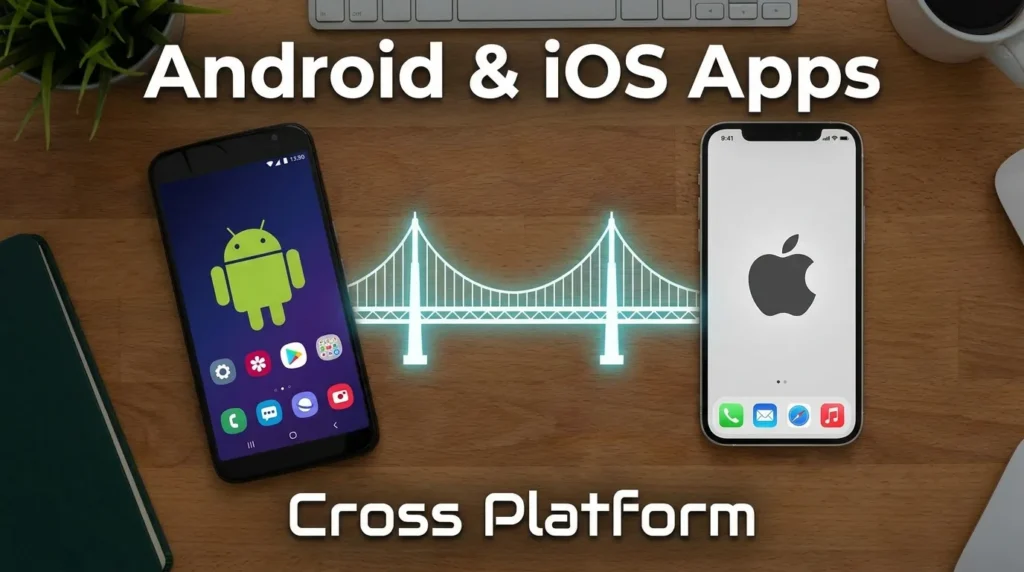
Android_iOS_Apps_Cross_Platform_202606181622 (1)
Enterprise Workforce Mobility Platform

Consolidated cross platform mobile applications replacing fragmented point solutions and paper-based workflows across field service, warehouse, inspection, and sales force teams — with MDM integration, SSO, role-based access, and offline-first architecture for operational environments with limited connectivity.

Native App to Cross Platform Migration

Structured migration of existing iOS-only or Android-only native applications to Flutter or React Native - with feature parity validation, UI component library migration, existing API contract preservation, and phased rollout strategy to maintain user continuity and App Store ratings throughout transition.

Customer-Facing Commerce & Engagement App

High-performance B2C and B2B cross platform applications combining personalised commerce, loyalty, self-service, and omnichannel customer engagement — with real-time CRM integration, push notification orchestration, and analytics instrumentation measuring conversion, retention, and lifetime value.

Offline-First Enterprise Data App

Cross platform applications engineered for operational environments where network connectivity cannot be assumed - with local-first data architecture, conflict-resolution synchronisation, delta-sync API design, and background upload/download management sustaining full functionality across disconnected field and factory environments.

AI & ML-Powered Mobile Application

Cross-platform applications with embedded AI and on-device machine learning, including image recognition, document scanning, predictive analytics, voice interfaces, and personalization - using TensorFlow Lite, Core ML, and MediaPipe, with cloud AI integration for advanced enterprise-scale capabilities.

Post-Merger Mobile Platform Consolidation

Mobile application consolidation following M&A activity, including feature gap analysis, platform rationalisation, unified design systems, cross-platform migration, and App Store/Google Play consolidation - preserving user engagement, brand consistency, and platform authority throughout the transition.
Our Process for Cross Platform App Development Delivery

A six-stage delivery methodology – from product discovery and platform architecture through governed App Store release and continuous application evolution.

Discovery & Product Definition

Discovery and planning services covering user research, workflow analysis, platform strategy, integration mapping, compliance requirements, and device compatibility – ensuring functional, technical, security, and performance requirements are defined and prioritised before development begins.

Architecture & Technical Blueprint

Cross-platform architecture and solution design covering framework selection, API contracts, offline data strategy, security, CI/CD pipelines, and release planning – delivering a signed-off technical blueprint and design system foundation before development starts.

UX Design & Component System Build

Platform-adaptive UX design, accessible component library creation, interactive prototyping, and design system documentation – validated through user testing sessions with representative end users from your target population before engineering implementation begins.

Agile Development & Integration

Sprint-based cross platform development with continuous integration, automated testing pipelines, and regular stakeholder demonstrations – backend API integration, third-party service connections, and MDM/identity provider configuration delivered as core sprint workstreams, not deferred to pre-launch phases.

QA, Security Testing & App Store Submission

Comprehensive device matrix testing, performance profiling, security penetration testing, OWASP Mobile Top 10 validation, accessibility audit, and App Store/Play Store submission governance – with staged rollout strategy limiting production exposure during initial release phases.

Post-Launch Monitoring, Evolution & Managed Support

Real-time crash analytics, performance monitoring, user behaviour analytics, OS compatibility management across iOS and Android releases, and feature roadmap delivery – managed engineering partnership sustaining application quality, security posture, and commercial performance as your user base scales.

Why Enterprises Choose Us as Their Cross Platform App Development Partner

The difference between a mobile app studio and an enterprise cross platform engineering partner is accountability – for adoption, performance, and operational outcomes, not just App Store delivery.

  • Outcome-driven mobile delivery focused on adoption, efficiency gains, cost reduction, and measurable business impact.
  • Proven experience across regulated industries including financial services, healthcare, energy, manufacturing, logistics, and the public sector.
  • Native-quality cross-platform applications built to iOS and Android design, performance, and usability standards.
  • Deep enterprise integration expertise across ERP, CRM, identity management, MDM, and data platforms.
  • Adoption-focused delivery incorporating user research, UX validation, onboarding, training, and usage analytics.
  • End-to-end ownership covering discovery, design, development, testing, deployment, monitoring, and ongoing optimisation.

Don't Worry!

Our expert will solve your queries in one call.

Client Triumphs: Success Stories

Discover how our team of domain specialists have addressed industry-specific challenges and mission-critical needs. Turning your Vision into Victory, One Success Story at a time!

FAQs on Cross Platform App Development Services

Have a question? We’re here to help.

Which cross platform framework is right for our enterprise - Flutter or React Native?

Framework selection is determined by your engineering ecosystem, performance requirements, and platform strategy – not by our preferred tooling. Flutter delivers superior rendering performance and pixel-perfect UI consistency across platforms, making it optimal for consumer-facing applications where visual fidelity and animation quality are commercial differentiators. React Native is the stronger choice for enterprises with existing JavaScript or TypeScript engineering teams, React web codebases, or requirements for OTA update delivery without App Store release cycles. .NET MAUI is the optimal path for organisations standardised on Microsoft technology stacks with Azure and Intune MDM integration requirements. Framework recommendation is a primary deliverable of our discovery and architecture phase – not a pre-committed default.

How does cross platform development compare to native iOS and Android development in terms of performance and UX?

Modern cross platform frameworks – particularly Flutter – deliver performance characteristics that are indistinguishable from native applications for the majority of enterprise use cases, including 60fps UI rendering, native gesture handling, and direct access to platform APIs. The performance gap between cross platform and native that existed in earlier generations of frameworks has been substantially closed. The meaningful trade-off is not performance but platform-specific capability depth: applications requiring deep operating system integration – custom camera pipelines, advanced ARKit/ARCore features, or Bluetooth LE peripherals – may require targeted native modules within a cross platform shell. Our architecture phase identifies capability requirements that necessitate native module development and scopes these as defined programme workstreams.

How does Kernshell handle security and compliance requirements in cross platform app development?

Security and compliance requirements are captured during discovery and embedded as first-order architecture constraints – not post-launch additions. We implement OWASP Mobile Top 10 controls, certificate pinning, biometric and multi-factor authentication, encrypted local storage using platform-native secure enclaves, and MDM/MAM compatibility with Intune, Jamf, and VMware Workspace ONE. For regulated industries, we configure application architecture to HIPAA, GDPR, FCA, PCI DSS, and ISO 27001 requirements, and commission independent mobile security penetration testing before every production release. Compliance is documented in a security architecture review available for your information security and risk governance teams.

How does Kernshell integrate mobile apps with our enterprise ERP and CRM systems?

Via production-grade REST and GraphQL APIs – SAP, Salesforce, Microsoft Dynamics, Oracle, and custom operational systems connected with bidirectional data flow, real-time synchronisation, and offline capability with conflict resolution for intermittent connectivity environments. Every integration is mapped during discovery, built as a first-class development deliverable, and validated end-to-end before production launch. No integration is assumed to work – every connection is tested under representative load before App Store submission.

How long does an enterprise cross platform app development programme typically take?

A focused cross platform application for a defined enterprise use case – a field service tool, a customer portal, or a workforce management app – with standard integrations typically progresses from discovery through App Store submission in 16-24 weeks. Larger programmes involving complex ERP integrations, offline-first architecture, AI feature development, multi-role user populations, and phased regional rollout are scoped with milestone-based delivery following a structured discovery and architecture engagement. Scope complexity, integration depth, compliance requirements, and design system scale are the primary timeline drivers – all quantified and documented before development commences.

Can Kernshell migrate our existing native iOS or Android app to a cross platform codebase?

Yes. We deliver structured native-to-cross-platform migrations with feature parity analysis, UI component mapping, API contract preservation, and phased release strategy. Migration is scoped to preserve your App Store and Play Store ratings, user review history, and existing user accounts – with no forced re-installation required for your existing user base where App Store migration policies permit. For large native applications, we typically recommend a strangler-fig migration pattern – replacing screens and features incrementally within a cross platform shell – rather than a full simultaneous rewrite, reducing migration risk and maintaining continuous delivery of new features throughout the transition programme.

Does Kernshell provide ongoing support and evolution after the app launches?

Yes. Every app development programme includes a structured hypercare period immediately post-launch with dedicated engineering support. Beyond hypercare, we offer managed mobile engineering services covering real-time crash monitoring and triage, iOS and Android major OS release compatibility management, App Store and Play Store policy compliance updates, security patch delivery, performance optimisation, and feature roadmap development – governed by SLA-backed service tiers. We position post-launch managed services as a long-term engineering partnership, not a reactive break-fix contract, ensuring your application remains competitive, compliant, and commercially performing as your user base and platform requirements evolve.

Still Have Questions?

Can’t find the answer you’re looking for? Please get in touch with our team.

We Empower 170+ Global Businesses

Mars Logo
Johnson Logo
Kimberly Clark Logo
Coca Cola Logo
loreal logo
Jabil Logo
Hitachi Energy Logo
SkyWest Logo

Let’s innovate together!

Engage with a premier team renowned for transformative solutions and trusted by multiple Fortune 100 companies. Our domain knowledge and strategic partnerships have propelled global businesses.
Let’s collaborate, innovate and make technology work for you!

Our Locations

101 E Park Blvd, Plano,
TX 75074, USA

1304 Westport, Sindhu Bhavan Marg,
Thaltej, Ahmedabad, Gujarat 380059, INDIA

Phone Number

+1 817 380 5522


    Loading...

    Area Of Interest *

    Explore Our Service Offerings

    Hire A Team / Developer

    Become A Technology Partner

    Job Seeker

    Other