













- Services
-
-
- Service Platform
Artificial Intelligent
AI, ML & Data Engineering
End-to-end digital services spanning AI, data, development, cloud, and design.
ETQ Reliance
Enterprise Platforms
Migrate, manage, deploy, and optimize M365, Azure, Power Platform, and Microsoft Teams
Software Development
Mobile & Web
UI/UX Design
Software Testing & QA
Digital Engineering
End-to-end digital services spanning AI, data, development, cloud, and design.
Cloud Infrastructure
DevOps & Automation
Cloud
Migrate, manage, deploy, and optimize M365, Azure, Power Platform, and Microsoft Teams
Security Engineering
Risk & Compliance
Cybersecurity
Security engineering, compliance, and risk management
-
-
- Industries & Customers
- Solutions
-
-
Solutions
End-to-end IT solutions to transform, manage, and scale your digital ecosystem.
-
-
- Insights
-
- Company
-
Enterprise Wireframing & Prototyping Validate Early. Reduce Risk. Build Smarter.
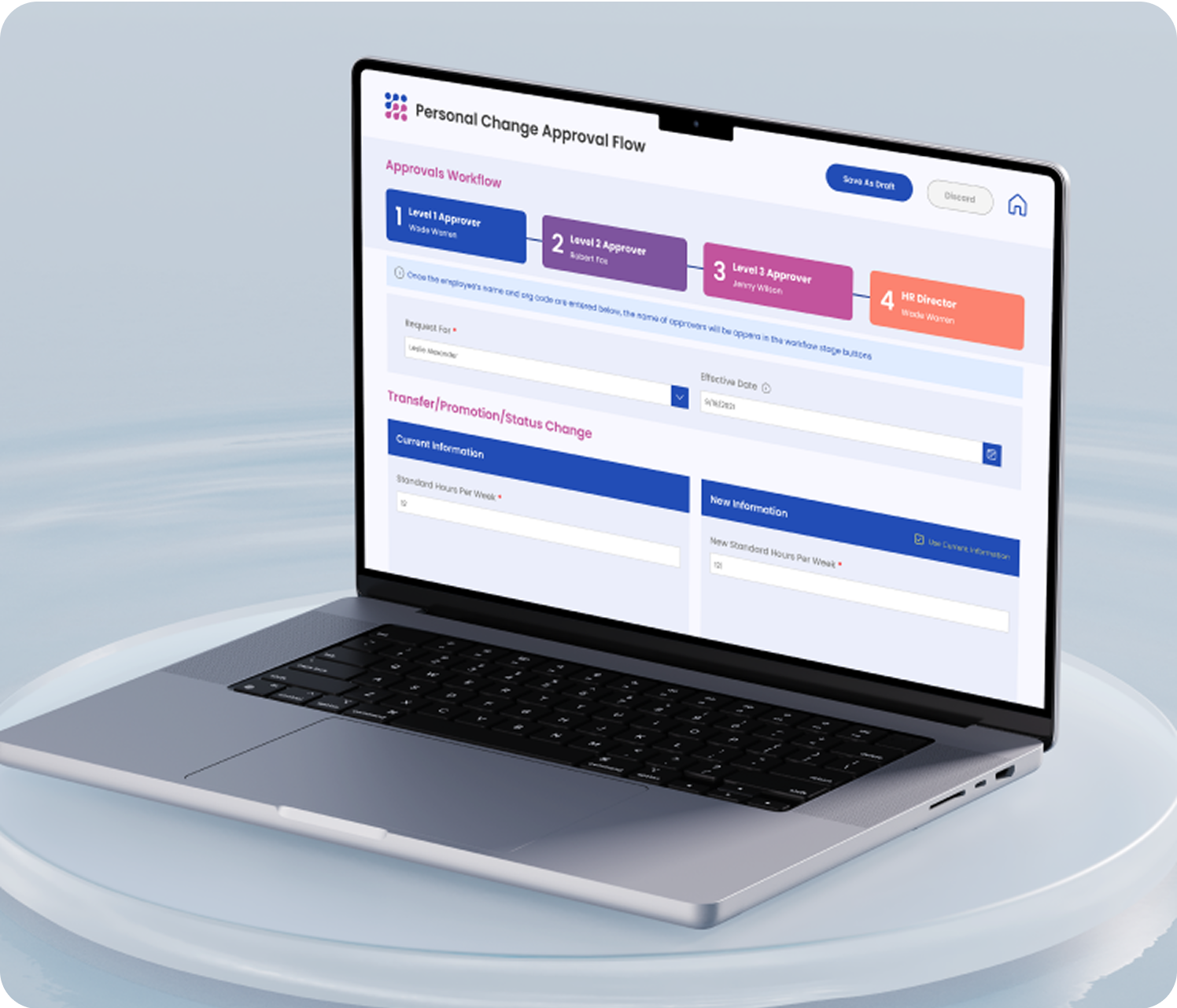
We design, validate, and refine enterprise wireframes and interactive prototypes – including information architecture, user flows, low- and high-fidelity wireframes, and clickable prototypes. Creating clear design blueprints that align stakeholders, reduce rework, and enable confident development.
What Kernshell Builds: Wireframing Services for Enterprise
Transform digital product planning with enterprise wireframing services engineered for clarity, usability, scalability, and faster development alignment.
Our Wireframing Capabilities Include:
- Enterprise Wireframing for web, mobile, SaaS, and enterprise application ecosystems
- User Flow & Information Architecture Planning improving usability and navigation clarity
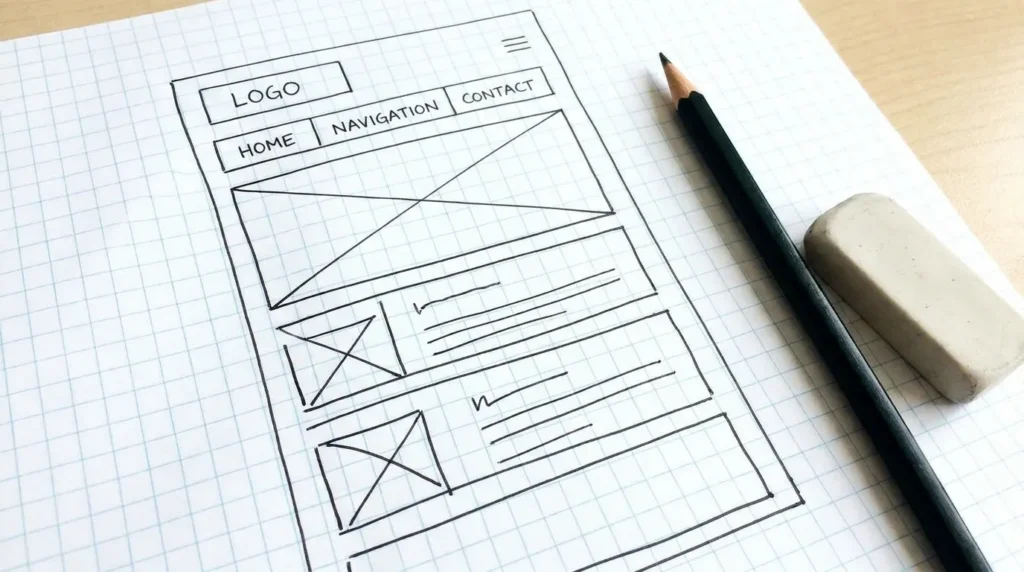
- Low-Fidelity & High-Fidelity Wireframes supporting rapid concept validation and stakeholder alignment
- Product Workflow Visualization optimizing operational efficiency and digital interactions
- Cross-Platform Experience Planning for responsive and scalable digital product development
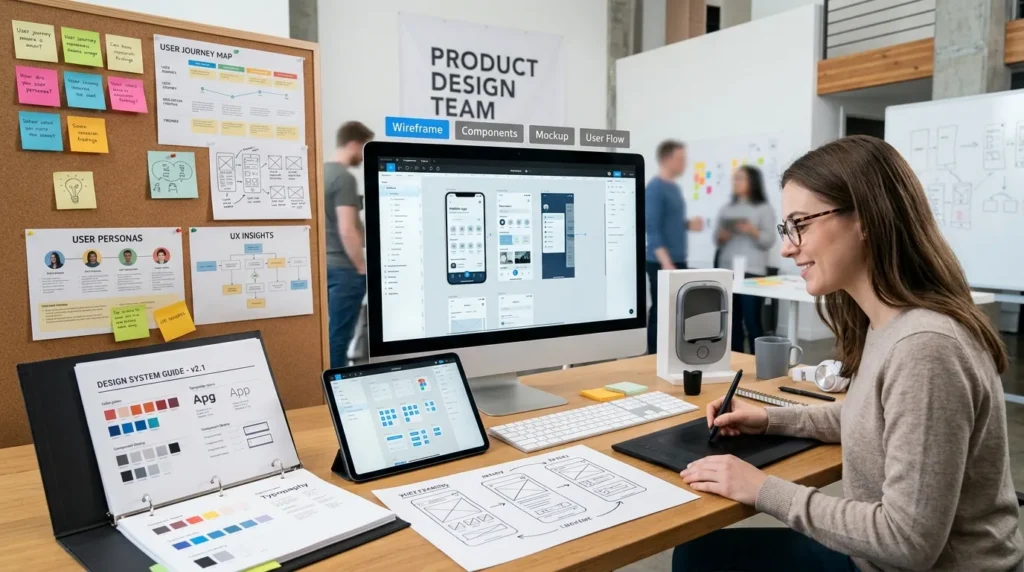
- UX Collaboration Frameworks connecting business, design, and engineering teams efficiently
From discovery and workflow planning to interactive wireframes and UX alignment, Kernshell helps enterprises operationalize wireframing processes that improve usability, reduce development rework, and accelerate enterprise digital transformation initiatives.
End-to-End Wireframing Services We Offer
Information Architecture & Content Strategy
Information architecture design covering sitemaps, content taxonomy, navigation structures, labelling systems, and URL planning. Guided by user research, card sorting, and tree testing to create intuitive navigation and reduce costly structural redesigns later in the project lifecycle.
User Flow & Task Flow Mapping
User journey mapping and workflow design covering task flows, decision trees, error handling, and empty-state scenarios – documenting every key interaction path before wireframing. Provides a clear foundation for design, development, QA validation, and business logic alignment.
Low-Fidelity Wireframing & Concept Exploration
Rapid low-fidelity wireframe development for concept exploration, layout hypothesis testing, and early stakeholder alignment – grey-box structural layouts establishing content hierarchy, component placement, and interaction logic without visual design distraction. Enabling high-velocity iteration at the structural level where changes cost hours, not days.
High-Fidelity Wireframing & Interaction Design
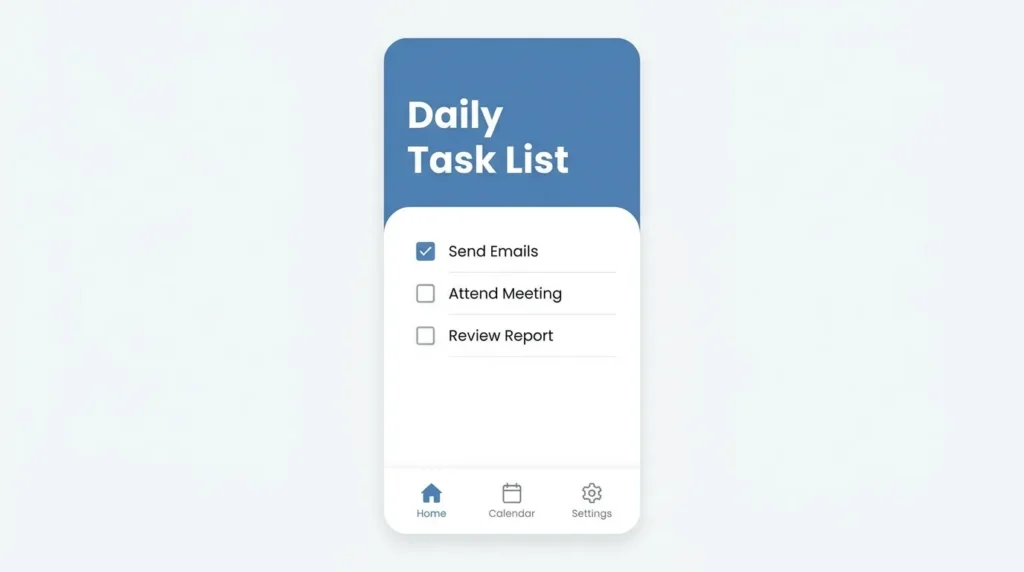
High-fidelity wireframes defining responsive layouts, interaction states, accessibility requirements, data behaviours, and implementation guidance across mobile, tablet, and desktop. Comprehensive annotations provide clarity for design, development, QA, and stakeholder review, reducing ambiguity during delivery.
Interactive Prototype Development
Interactive prototypes created in Figma, Axure, or ProtoPie, simulating real application behaviour including navigation, conditional logic, form workflows, animations, and feedback states. Designed for usability testing, stakeholder reviews, and decision-making before development begins.
Responsive & Mobile-First Wireframing
Mobile-first wireframing across iOS, Android, tablet, and desktop experiences, incorporating touch interactions, gesture design, thumb-zone optimisation, progressive disclosure, and responsive layouts – ensuring complex workflows remain usable, accessible, and consistent across all device types and screen sizes.
Enterprise Application Wireframing
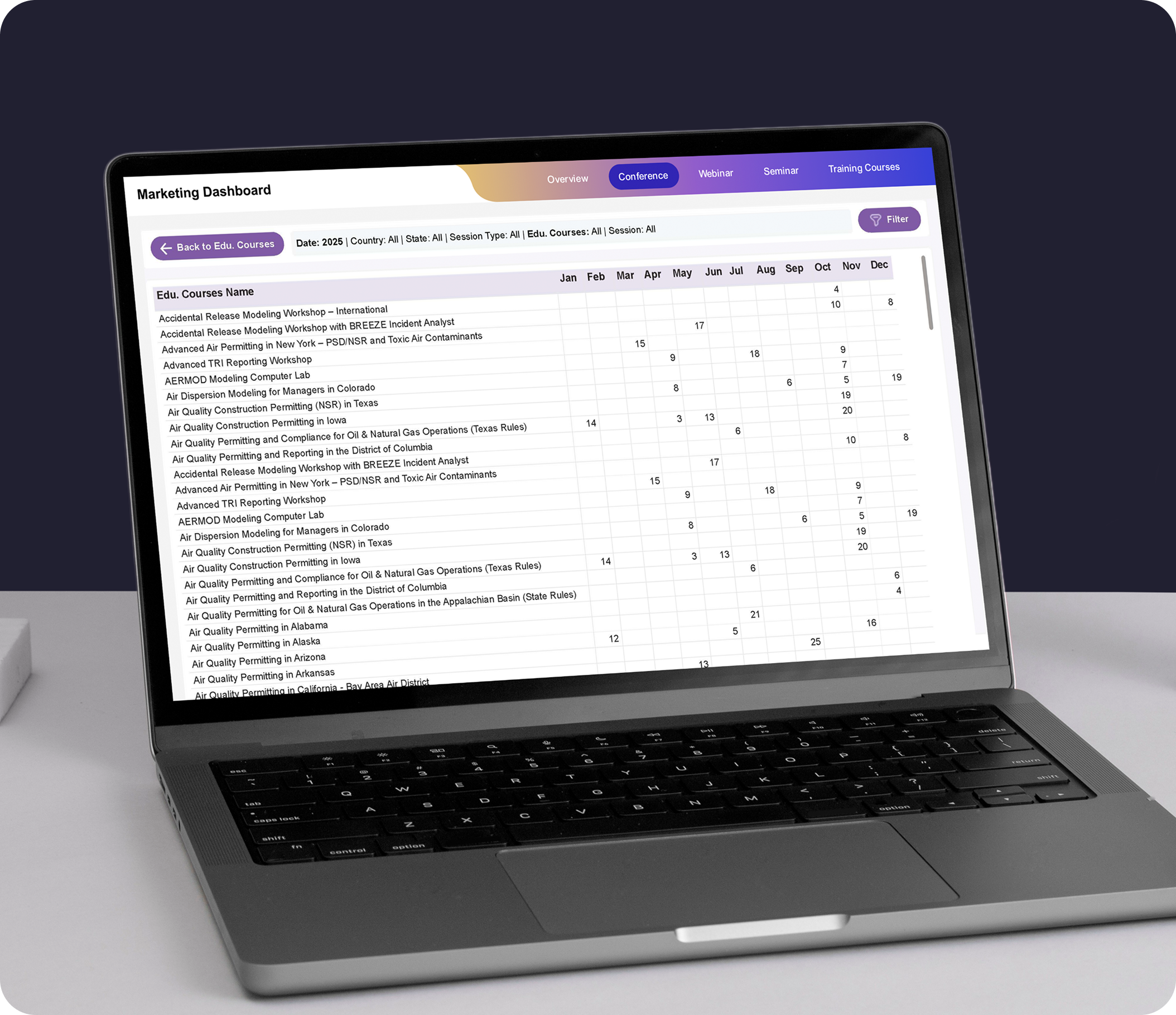
Enterprise application wireframing for dashboards, workflow systems, admin consoles, reporting tools, and form-intensive interfaces – translating complex business processes and operational requirements into intuitive, efficient user experiences that reduce training needs and improve adoption.
eCommerce & Conversion-Focused Wireframing
E-commerce wireframing for product listings, product pages, carts, checkout flows, and account management – designed around conversion best practices, trust-building, error recovery, and friction reduction. Decisions are informed by user research, behavioural data, and proven optimisation principles.
Design System & Component Library Development
Wireframe-level component libraries defining buttons, forms, navigation, tables, modals, cards, notifications, and reusable interface patterns – creating a consistent structural foundation that supports scalable design, faster delivery, and alignment across products, teams, and platforms.
Accessibility-First Wireframing
Accessibility-first wireframing with WCAG 2.1/2.2 considerations built in from the outset, including focus order, keyboard navigation, screen reader landmarks, form accessibility, error handling, and clear information hierarchy – reducing remediation effort and supporting compliant, inclusive digital experiences.
Our Core Wireframing Technology Stack
Design tools, prototyping platforms, and collaboration infrastructure selected on your workflow requirements, development stack, and enterprise governance standards.
- All
- Languages
- Gen AI platforms
- Frameworks
- Debugging & Tracing
- Vector Databases
- DBMS
- Data Visualization
Languages
C#
Rust
Python
JavaScript
Java
R
Gen AI platforms
LangChain
Hugging Face
Apache Spark
Gemini
Phi
Frameworks
LangChain
LlamaIndex
PyTorch
Kedro
TensorFlow
Keras
Debugging & Tracing
Langsmith
Langfuse
Vector Databases
PostgreSQL
Chroma
Milvus
Qdrant
Pinecone
DBMS
PostgreSQL
MySQL
MongoDB
CouchDB
Cassandra
Neo4j
Data Visualization
Power BI
Tableau
Languages
C#
Rust
Python
JavaScript
Java
R
Gen AI platforms
LangChain
Hugging Face
Apache Spark
Gemini
Phi
Frameworks
LangChain
LlamaIndex
PyTorch
Kedro
TensorFlow
Keras
Debugging & Tracing
Langsmith
Langfuse
Vector Databases
PostgreSQL
Chroma
Milvus
Qdrant
Pinecone
DBMS
PostgreSQL
MySQL
MongoDB
CouchDB
Cassandra
Neo4j
Data Visualization
Power BI
Tableau
Where Enterprise Wireframing Delivers Measurable Impact
Product & Engineering
Sales & Commercial
Customer Experience & Digital
IT & Enterprise Systems
Finance & Investment Governance
Marketing & Demand Generation
Legal & Compliance
HR & Employee Experience
Wireframing Solutions We Design & Deliver
Proven wireframing solution patterns engineered for enterprise product complexity, stakeholder alignment, and development handover quality.
Enterprise Application Wireframe Programme
End-to-end wireframing of complex enterprise applications — information architecture, user flow mapping, role-based interface documentation, data-dense dashboard wireframes, multi-step workflow design, and annotated high-fidelity wireframes delivered as developer-ready Figma specifications across all device breakpoints.
Interactive Prototype for Stakeholder Sign-Off & Usability Testing
High-fidelity Figma or Axure interactive prototype simulating complete application behaviour - usability testable, stakeholder demonstrable, and investor or executive presentable without development dependency. Delivered with usability testing session facilitation and design iteration based on findings.
Information Architecture & Navigation Design
Research-grounded IA programme — card sorting, tree testing, sitemap design, navigation framework, and labelling strategy delivered as a validated structural foundation before wireframe development begins. Reduces the navigation redesign cycles that post-development IA failures generate.
eCommerce Conversion Wireframe Programme
Full eCommerce journey wireframing - product discovery, listing, detail, cart, checkout, and account management - conversion-optimised layout decisions grounded in usability research and analytics evidence, delivered with interactive prototype for validation before frontend development begins.
Design System & Component Library Foundation
Enterprise-scale Figma component library - atomic design principles, component variants, interaction states, responsive behaviour, design tokens, and documentation standards enabling consistent, scalable design decisions across product portfolios and distributed teams.
Mobile & Responsive Wireframe Programme
Mobile-first wireframe development across iOS, Android, tablet, and desktop - gesture design, touch target compliance, progressive disclosure patterns, and responsive breakpoint specification delivered as annotated Figma files with developer handover documentation.
Legacy System Interface Modernisation Wireframes
Wireframe-led modernisation of legacy enterprise application interfaces - workflow analysis, usability audit of current state, redesigned user flows and screen wireframes preserving business logic while eliminating the UX failures that drive training cost, error rates, and adoption resistance.
Accessibility-First Wireframe & WCAG Compliance Programme
Wireframe programme with WCAG 2.1 AA accessibility embedded from inception - focus order, keyboard navigation, screen reader landmark documentation, form accessibility, error identification, and colour contrast-independent hierarchy establishing the structural accessibility foundation that prevents post-development remediation cost.

Our Delivery Process for Wireframing Engagements
Six stages from requirements discovery to development-ready design handover and ongoing design governance.
Discovery & Requirements Architecture
Stakeholder interviews · business requirements documentation · existing product audit · user research review or primary research scoping · technical constraints mapping · platform and device requirements · accessibility obligations · competitor experience review · design principles definition – requirements approved before IA or wireframe development begins
Information Architecture & User Flow Design
Sitemap development · navigation framework design · content taxonomy · user flow and task flow mapping · error state and empty state flow definition · card sorting or tree testing validation where user research supports IA decisions · IA blueprint approved by product, content, and technical stakeholders before wireframing begins
Low-Fidelity Wireframe Development
Grey-box structural wireframes for all key screens and user flows · layout hypothesis exploration · content hierarchy definition · component placement logic · responsive breakpoint strategy · stakeholder review and rapid iteration at low-fidelity stage where design change cost is lowest – structural decisions approved before high-fidelity development begins
High-Fidelity Wireframing & Interaction Specification
Pixel-accurate wireframes with all interaction states · responsive breakpoint specifications · component behaviour annotations · accessibility documentation (focus order · ARIA landmarks · keyboard navigation) · data requirement notes · developer implementation guidance · design QA checklist · stakeholder review and sign-off before prototype or development handover
Interactive Prototype & Usability Validation
Figma or Axure interactive prototype build · usability testing session design and facilitation · task completion and error rate analysis · severity-prioritised finding documentation · wireframe iteration based on research findings · final prototype approved by product and stakeholder sign-off before development handover
Development Handover, QA & Design Governance
Developer-ready Figma file organisation · design token documentation · component naming and export governance · interaction specification finalisation · responsive behaviour documentation · design QA review against developed builds · design system update and version governance · ongoing design advisory for design decisions arising during development
Why Enterprises Choose Us As Their Wireframing Partner
The difference between a design agency producing wireframes and an enterprise wireframing partner is accountability – for structural design quality, development handover completeness, and the reduction of downstream rework that validated wireframing produces.
- Information architecture and user flows validated before wireframing to ensure strong structural foundations.
- Accessibility-first wireframes with navigation, hierarchy, and WCAG considerations embedded from the outset.

- Interactive prototyping and usability testing used to validate designs before development investment begins.

- Developer-ready handover documentation including interactions, responsiveness, accessibility, and implementation guidance.
- Design system principles applied from the start to drive consistency, scalability, and component reuse.
- End-to-end ownership across IA, wireframing, prototyping, testing, accessibility, and development handover.
Our expert will solve your queries in one call.
Client Triumphs: Success Stories
Discover how our team of domain specialists have addressed industry-specific challenges and mission-critical needs. Turning your Vision into Victory, One Success Story at a time!
FAQs on Wireframing Services
Have a question? We’re here to help.
A wireframe defines the structure and layout of an interface, focusing on content hierarchy, navigation, and functionality without visual design. A prototype is an interactive version that simulates user flows and interactions for testing and validation. A mockup is a high-fidelity visual representation showing the final look and feel of the interface but without interactivity. Together, these stages help validate structure, usability, and design before development begins.
Wireframing should begin once requirements, user needs, and information architecture have been defined, but before visual design or development starts. This stage translates business objectives and user requirements into a structured interface that can be reviewed, tested, and refined early. Validating wireframes before development helps reduce rework, minimise project risk, and improve the likelihood of building the right solution the first time.
Wireframes should be detailed enough to clearly define layouts, user flows, interaction states, responsive behaviour, accessibility requirements, and key content elements. A development-ready wireframe set should remove ambiguity, enabling designers, stakeholders, and developers to align on functionality before coding begins. This level of detail reduces implementation inconsistencies, minimises rework, and supports a smoother development process.
Low-fidelity wireframes are simple structural layouts used to explore content hierarchy, navigation, and user flows during the early stages of design. They enable rapid iteration and stakeholder alignment with minimal effort. High-fidelity wireframes provide detailed, development-ready representations with accurate layouts, content, interaction states, and annotations. Most projects use low-fidelity wireframes for discovery and high-fidelity wireframes for validation, testing, and development handover.
Wireframes define the structure and functionality of an interface, while interactive prototypes simulate real user journeys, navigation, and interactions without requiring development. Prototypes are valuable when organisations need to validate usability, secure stakeholder approval, demonstrate a product concept, or test workflows before development begins. They help identify issues early, reduce project risk, and provide greater confidence in design decisions.
Accessibility is built into our wireframing process from the outset. We define keyboard navigation, focus order, heading structure, form accessibility, error handling, and mobile usability requirements during design rather than addressing them later. Wireframes are reviewed against WCAG 2.1 AA guidelines and validated using accessibility tools and structured reviews, helping identify and resolve accessibility issues before development begins.
To begin, we typically require business requirements or user stories, existing user research, brand guidelines, technical constraints, platform requirements, accessibility obligations, and key stakeholder details. If requirements are incomplete or user research has not been conducted, we recommend a discovery phase to establish the foundation for effective wireframing. This helps ensure designs are aligned with business goals, user needs, and technical realities before development begins.
Still Have Questions?
Can’t find the answer you’re looking for? Please get in touch with our team.
Let’s innovate together!
Engage with a premier team renowned for transformative solutions and trusted by multiple Fortune 100 companies. Our domain knowledge and strategic partnerships have propelled global businesses.
Let’s collaborate, innovate and make technology work for you!
Our Locations
101 E Park Blvd, Plano, TX 75074, USA
1304 Westport, Sindhu Bhavan Marg, Thaltej, Ahmedabad, Gujarat 380059, INDIA
Email Address